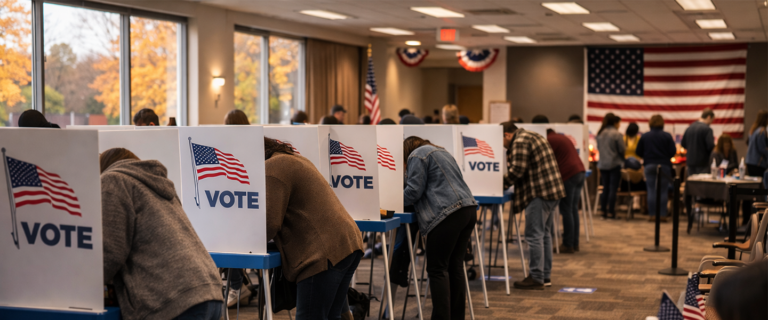

While it may surprise you, federal law does not control who can vote in federal elections. The Constitution leaves this up to the states. Federal law cannot prevent a state from allowing noncitizens to vote — even in federal elections.

Who Can Vote?

Most people assume that in order to vote in the United States a person must be a citizen of the United States. However, that isn’t always the case.

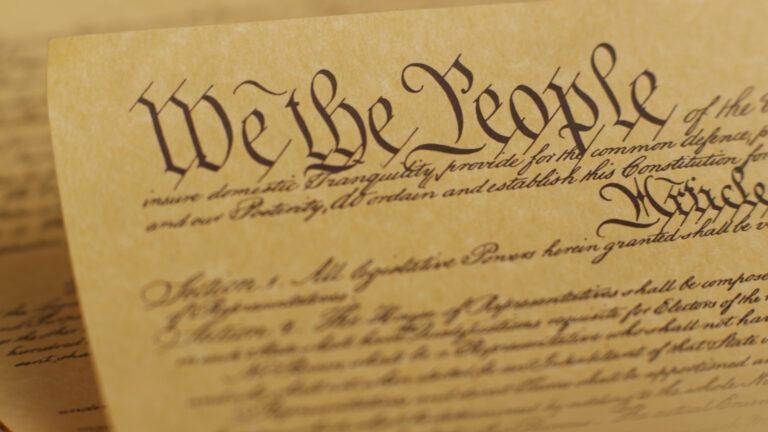
U.S. election laws date back to Article 1 of the Constitution. This gave states the responsibility of overseeing federal elections.

Unless a state’s constitution specifically states that only citizens can vote, the possibility of non-citizens legally voting exists.

image2block

Support Our Cause

To ensure that only U.S. citizens vote in federal elections, the only certain protection is a federal constitutional amendment. Otherwise, individual states will be free under our current constitutional system to allow noncitizens to vote in federal elections.

Perspectives From Across the Country

Get the Facts

The U.S. Constitution does not grant an explicit “right to vote.” Instead, it assumes voting exists and regulates who decides voter qualifications. For elections to Congress, the Constitution ties federal voter qualifications to those used for each state’s own legislature.

Some assume Congress can simply legislate citizenship requirements for federal elections. Supreme Court precedent strongly suggests otherwise.

History reinforces this constitutional reading. At various points in American history, many states allowed non-citizens to vote, including in federal elections.

What would you like to do next?

Take Action

Get the Facts

Contact Us

Read Proposed Amendment HJR152

Sign up
for updates​

Support
our Cause

Campaign News